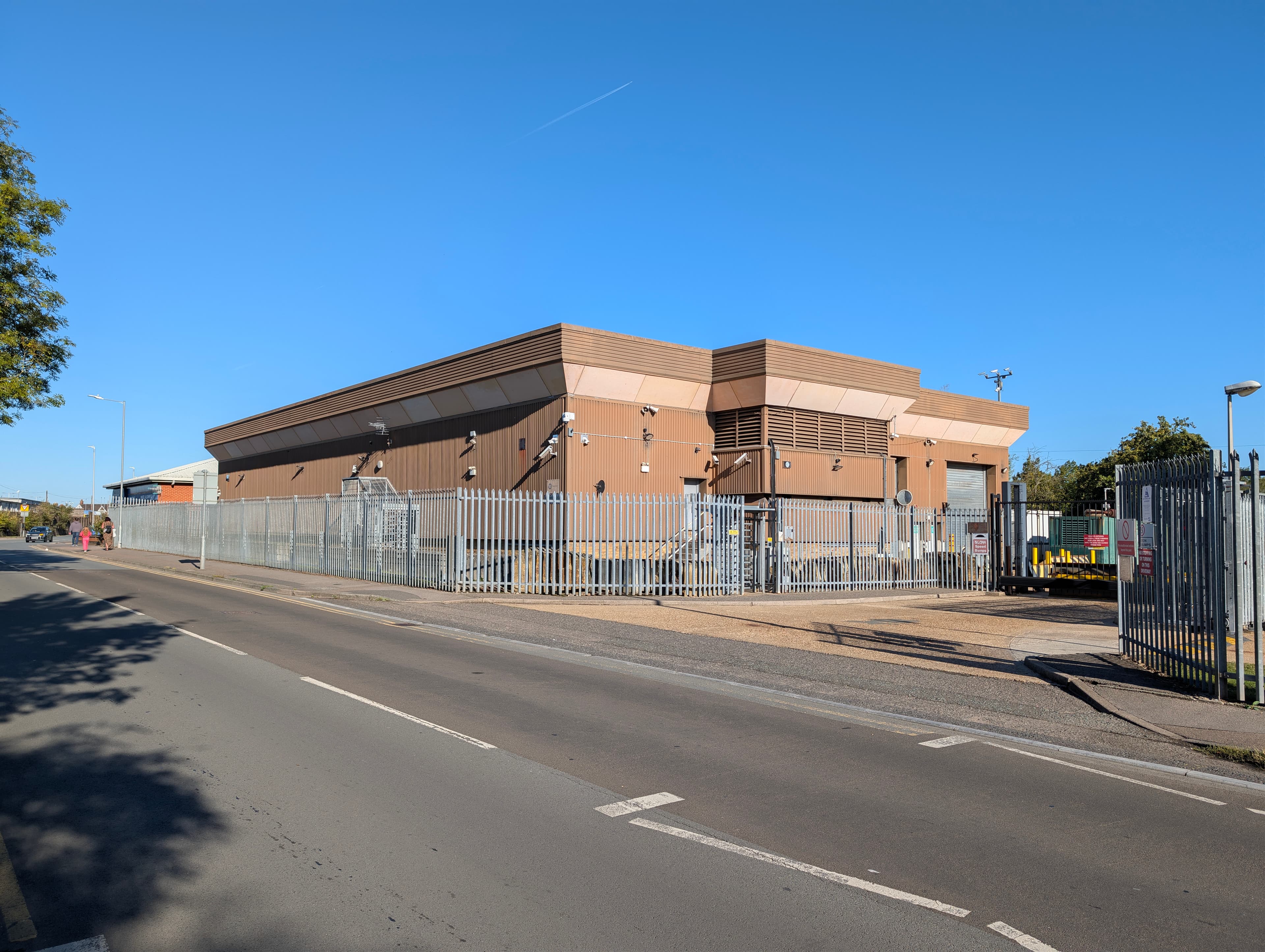
Largest Cash Heist in UK history
The Night Blue Lights Lied
Just after midnight on 21 February 2006, Securitas depot manager Colin Dixon eased his Nissan onto the dark A20, headlights slicing through drizzle. Moments later, flashing blue lights bloomed in his mirrors—a routine stop, he thought, until the "officer" at his window spoke through a thick balaclava. Within seconds a pistol, cuffs, and latex mask turned procedure into nightmare. Dixon was bundled into a white van whose walls were lined with camping mats to muffle the struggle. While he was being driven to an isolated farm near Stockbury, another crew, dressed in Metropolitan Police-style body armor, knocked on his Hadlow home. They told his wife Lynn there had been an accident; an eight-year-old son, Craig, stood barefoot in the hallway as the impostors stormed in, zip-tied the family, and recorded hostage footage meant to keep Dixon compliant. The message was unwavering: do exactly as told or the people you love disappear forever.
Setting the Stage
Tonbridge was hardly the obvious scene for a blockbuster heist. The Securitas depot sat in an unassuming industrial park behind the River Medway, but inside it processed up to £200 million in banknotes every week for southern England cash machines. Security was supposed to be formidable: biometric gates, steel cages, and an armed response on call. Yet the elaborate ruse had been months in the making. The gang reconnoitered staff routines, tapped phones, and even rented farm buildings for rehearsals. A professional makeup artist, Carly Wheatley, crafted convincing silicon masks, while muscle was recruited from cage fighters and career criminals. They stole Ford box vans for transport, sourced military-grade flex cuffs, and choreographed a script that blended intimidation with clockwork timing. By the time Dixon arrived bound to a chair in the farm's potting shed, the gang had rehearsed every line.
Inside the Depot
Around 1:00 a.m., Dixon, his family still captive, was driven back toward Tonbridge with two kidnappers posing as escorts. At the depot gate he punched in codes with trembling fingers, leading the convoy straight past barriers and into the loading bay. Fourteen night-shift employees were corralled at gunpoint, forced to kneel in the warehouse, and trussed up with industrial zip ties and parcel tape. CCTV later showed the thieves moving with paramilitary precision—one team fanned out to disable alarms, another to cut through steel cages, while loaders formed a human conveyor belt. They stacked cash cassettes, plastic crates, and shrink-wrapped bricks of £5, £10, and £20 notes into the back of two lorries and a smaller Renault truck. Each container was weighed to maximize capacity without slowing the getaway. The entire operation lasted barely 66 minutes. When the vehicles finally pulled away at 2:37 a.m., nearly £53 million had vanished into the Kent countryside, making it the largest cash theft in British history and the second-biggest robbery worldwide at the time.
Aftermath and Investigation
The alarm was raised minutes after the gang fled, triggering Operation Rize, one of Kent Police's largest investigations. By dawn, roadblocks ringed Tonbridge, helicopters swept fields, and officers scoured CCTV from petrol stations, motorways, and industrial estates. Clues emerged quickly: an abandoned blue Renault with gaffer tape residue, a cache of latex masks discarded in Ashford, and fingerprints on cable ties. Within a week, arrests rippled from South London gyms to rural farms. Car dealer Lee Murray—a UFC veteran—was pegged as a suspected ringleader. He managed to flee to Morocco, where he was later arrested and eventually sentenced to 25 years. Several accomplices, including jet-ski salesman Stuart Royle and makeup artist Wheatley, received long prison terms after trials at the Old Bailey. Yet despite dozens of searches and multiple convictions, more than £30 million in cash remained unaccounted for. Investigators believe large sums were laundered through counterfeit goods, overseas property, and informal hawala networks.
Long Shadows and Legacy
Even two decades on, the Tonbridge heist casts a long shadow over British security doctrine. The raid exposed how social engineering and hostage-taking could defeat even high-grade physical infrastructure. Banks and cash-handling firms responded by tightening staff vetting, installing panic rooms, and requiring multi-person authentication for vault access. Armored-car crews now undergo scenario training modeled after the Securitas kidnapping playbook. Pop culture immortalized the story: documentaries dissected the latex disguises, crime podcasts lingered on Dixon's ordeal, and true-crime authors dubbed it "The Heist of the Century." For Tonbridge residents, the memory is more intimate—school gates buzzed with rumors, local pubs swapped conspiracy theories, and every abandoned farm building seemed like a potential stash site. Periodic police digs still make headlines whenever a new lead hints at buried pallets of mouldering banknotes. The case remains technically open, a reminder that perfect crimes rarely stay buried, even if the money does.
Trivia for Heist Buffs
Need a few jaw-dropping comparisons for the pub quiz? The later Hatton Garden safe-deposit burglary of 2015 is often labeled the "largest UK robbery" because the elderly thieves drilled into a vault and scooped jewels, gold, and cash worth an estimated £14 million—less than a third of the Tonbridge haul but notable for its audacity and age-defying crew. On the global stage, the record still belongs to the 2003 Iraq Central Bank theft, when Saddam Hussein's son Qusay allegedly ordered staff to load $920 million in crates hours before the U.S.-led invasion—no disguises, just raw power and military trucks. Tonbridge may no longer top every "largest ever" list, yet its mix of Hollywood theatrics, hometown stakes, and unanswered questions keeps the story irresistible twenty years later.
Recent posts
- Free Parking in Tonbridge 20261/1/2026
- What's on Tonbridge High Street12/1/2025